By Just Smile Dentistry | June 22, 2026
Invisalign is one of the most popular orthodontic options available today. Many Boca Raton patients come to us excited about clear aligners — and that excitement is completely understandable. But here is the honest truth: Invisalign won’t work for every smile. Understanding why Invisalign won’t work for your teeth — here’s why Boca Raton patients need to know — can save you time, money, and frustration. At Just Smile Dentistry, Dr. Aurelie Huyghues-Despointes believes every patient deserves a clear, accurate picture before starting any treatment.
What Invisalign Can Actually Fix
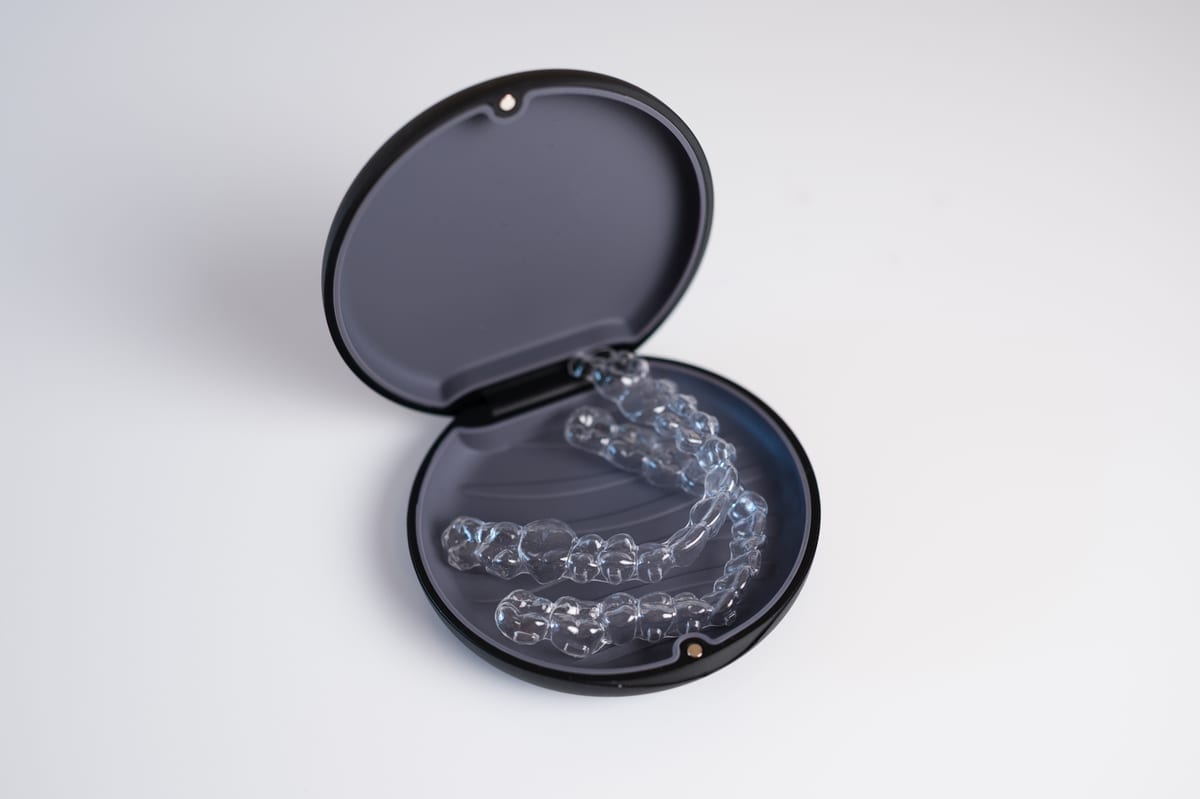
Invisalign uses a series of custom-made, removable plastic aligners to shift teeth gradually. It works well for mild to moderate dental issues. The technology has improved significantly over the years, expanding what it can treat.
Here are the most common conditions Invisalign handles effectively:
- Mild to moderate crowding — when teeth overlap slightly due to limited space
- Mild spacing issues — small gaps between teeth caused by missing teeth or natural spacing
- Mild overbite — upper front teeth that slightly overlap the lower ones
- Mild underbite — lower teeth that sit slightly in front of upper teeth
- Crossbite — when some upper teeth sit inside lower teeth
- Open bite — when upper and lower teeth don’t meet when the mouth closes
For these moderate cases, Invisalign produces excellent, predictable results. Patients in Boca Raton love the discreet appearance and removable convenience. Regular Dental Checkups And Cleanings throughout Invisalign treatment also help keep your teeth healthy as they shift.
Why Invisalign Won’t Work for More Complex Cases
Here is where many patients are surprised. Invisalign has real limitations. Not every bite problem or alignment issue responds to clear aligner therapy.
Plastic aligners work by applying gentle, consistent pressure. They cannot generate the precise, multi-directional forces that metal braces can. Some tooth movements require rotational control or vertical adjustments that aligners simply cannot achieve effectively.
Conditions that often fall outside Invisalign’s capabilities include:
- Severe crowding — when teeth are significantly overlapping or rotated
- Large spacing gaps — when multiple teeth are missing or gaps are very wide
- Severe overbite or underbite — cases involving significant skeletal differences
- Intrusion and extrusion issues — moving teeth significantly up or down in the jawbone
- Large midline discrepancies — when the center of your upper and lower teeth are far apart
- Patients with bridgework — existing dental bridges can block tooth movement
In these situations, traditional braces or a combination approach may deliver far better outcomes. Dr. Huyghues-Despointes takes time to assess every case carefully before making a recommendation.
Overbites, Underbites, and the Truth About Aligners
Bite correction is one of the most misunderstood areas of Invisalign treatment. Many patients assume Invisalign can fix any bite problem. That is not always the case.
A mild overbite is often manageable with Invisalign. The aligners use precision bite ramps or mandibular advancement features to guide jaw positioning. Results can be impressive when the bite issue is moderate.
However, a severe overbite or underbite often has a skeletal component. That means the problem is rooted in the jaw structure itself — not just the teeth. Aligners cannot reposition the jaw. In those cases, patients may need traditional braces, orthognathic surgery, or a combined treatment plan.
If you are a teenager with a developing jaw, the options are different from an adult with a fully formed bite. Dr. Huyghues-Despointes evaluates jaw structure, tooth position, and bite function together before advising any course of treatment.
How We Determine Invisalign Candidacy in Boca Raton
A proper Invisalign consultation goes far deeper than a quick look at your smile. At Just Smile Dentistry, Dr. Huyghues-Despointes uses digital X-rays, 3D scans, and a complete dental exam to evaluate your candidacy. This thorough process ensures you receive the right treatment — not just the trendy one.
Your overall oral health also matters. Invisalign cannot begin if you have active gum disease, untreated cavities, or significant bone loss. These issues must be resolved first. In some situations, cosmetic issues like minor chips or gaps may actually be better addressed with Dental Bonding rather than orthodontic treatment at all.
Age is another consideration. Invisalign is generally suitable for teens and adults. Younger children whose permanent teeth have not fully emerged are usually not candidates. The consultation is the most important step — it determines what is truly possible for your unique smile.
When Traditional Braces Are the Better Choice
Traditional braces are not old-fashioned — they are still the gold standard for complex orthodontic cases. Metal brackets and wires give orthodontists precise control over every tooth movement. That level of control matters for difficult cases.
Braces are often recommended when patients need significant rotation of back teeth, significant vertical movement, or correction of severe skeletal bite problems. They are also more effective when patient compliance is a concern. Invisalign requires wearing aligners 20 to 22 hours per day. Braces are fixed and do not depend on patient discipline.
Some patients also combine approaches. They may start with braces to handle the heavy lifting and finish with Invisalign for fine-tuning. Dr. Huyghues-Despointes always explains every available option so you can make a confident, informed decision.
Conclusion: Get an Honest Answer Before You Commit
Invisalign is a remarkable treatment — but it is not the right fit for everyone. Understanding the real limits of clear aligner therapy helps you make smarter choices for your smile. If you are wondering whether Invisalign won’t work for your teeth, Boca Raton patients can find out exactly where they stand with a comprehensive evaluation at Just Smile Dentistry. Dr. Huyghues-Despointes and our team are here to guide you with honesty and expertise every step of the way. Book Now to schedule your appointment with our team.
Frequently Asked Questions
Can Invisalign fix severe crowding?
Invisalign works well for mild to moderate crowding, but severe crowding often requires traditional braces. Severely rotated or overlapping teeth need more precise force than clear aligners can provide. A thorough evaluation will help determine which option is right for your case.
Is Invisalign effective for overbites?
Invisalign can treat mild to moderate overbites using specialized aligner features. However, severe overbites with a skeletal component may require traditional braces or even jaw surgery. Dr. Huyghues-Despointes evaluates the root cause of your bite issue before recommending a treatment path.
What disqualifies someone from Invisalign treatment?
Active gum disease, untreated tooth decay, significant bone loss, and existing dental bridges can disqualify patients from starting Invisalign. Very severe bite problems or large tooth rotations may also make traditional braces a better choice. Your dentist will review all these factors during your consultation.
How long does an Invisalign consultation take?
A thorough Invisalign consultation typically takes about 60 to 90 minutes. It includes digital X-rays, 3D scans, bite analysis, and a full discussion of your smile goals. This comprehensive approach ensures you receive an accurate treatment recommendation.
What is the alternative to Invisalign if I am not a candidate?
If Invisalign is not right for your case, traditional metal or ceramic braces are often the next step. In some situations, dental bonding or veneers may address cosmetic concerns without orthodontics. Dr. Huyghues-Despointes will explain all your options clearly so you can choose the best path forward.