
By Just Smile Dentistry | September 28, 2026
Dental bonding is one of the most versatile cosmetic treatments available today. It can fix chips, close small gaps, and reshape teeth in a single visit. If you want to keep your dental bonding looking perfect, the real maintenance guide starts with understanding what bonding actually is. At Just Smile Dentistry in Boca Raton, FL, Dr. Aurelie Huyghues-Despointes helps patients protect their results for years to come.
Composite resin bonding is strong, but it is not indestructible. The material can chip, stain, or wear down over time without proper care. The good news is that simple daily habits make a significant difference. This guide walks you through everything you need to know.
What Makes Dental Bonding Different From Other Restorations
Dental bonding uses a tooth-colored composite resin applied directly to your tooth surface. The dentist sculpts, hardens, and polishes it during one appointment. Unlike porcelain veneers or crowns, bonding does not require a dental lab. That makes it faster and more affordable for many patients.
However, composite resin is more porous than porcelain. It can absorb pigment from food and drinks more readily. It is also softer than natural enamel, which means it wears down with heavy biting forces. Understanding these differences helps you make smarter choices every day.
Bonding typically lasts between four and eight years with proper care. Some patients see results last even longer. The key is being proactive rather than reactive. Prevention is always easier than repair.
Daily Habits That Keep Your Bonding in Top Shape in Boca Raton
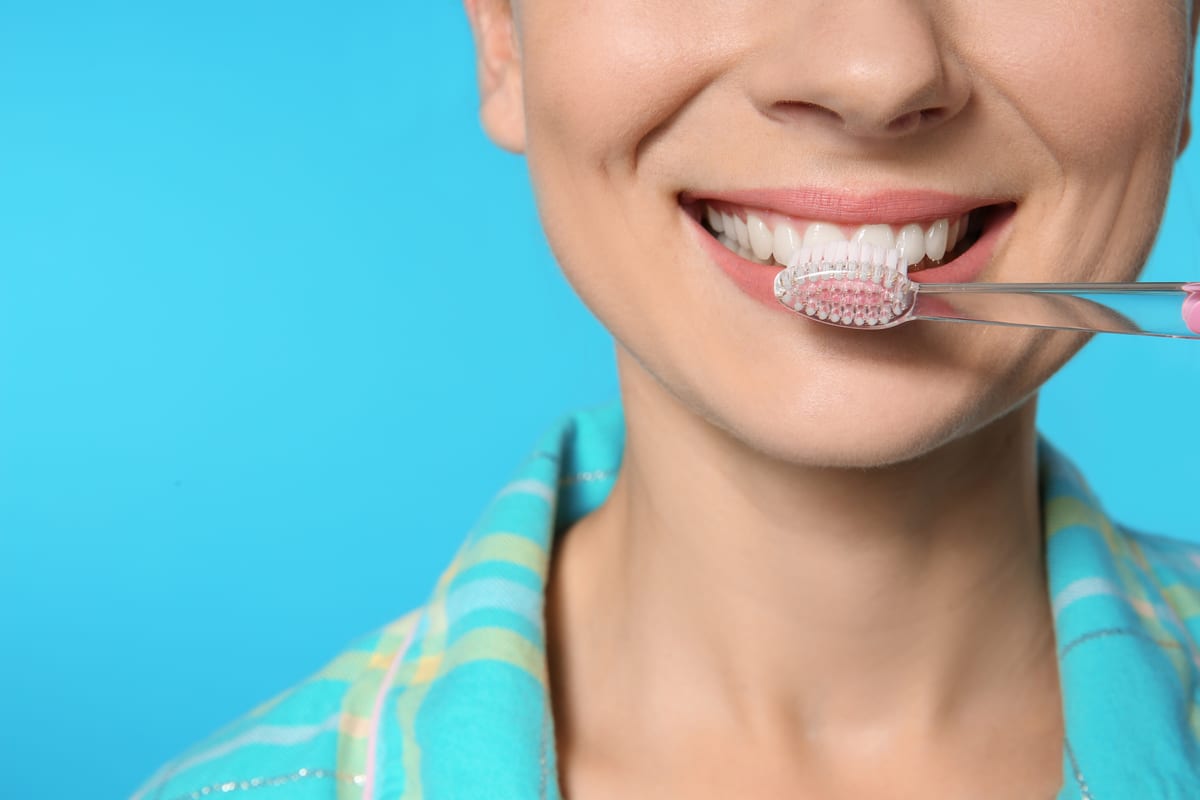
Your morning and evening routine has a direct impact on how long your bonding lasts. Brushing twice daily with a soft-bristled toothbrush is essential. Hard bristles and abrasive toothpastes can scratch the resin surface over time. Choose a non-abrasive, fluoride toothpaste for the best results.
Flossing once a day keeps gum tissue healthy around bonded teeth. Healthy gums support the edges of the bonding and prevent early breakdown. Use a gentle sawing motion rather than snapping floss against the tooth. This protects both the bonding and your gum tissue.
Here are daily habits that actively protect your bonding:
- Brush gently with a soft-bristled toothbrush twice daily
- Floss carefully around bonded teeth every evening
- Rinse with an alcohol-free mouthwash to reduce bacteria
- Stay hydrated to minimize dry mouth, which increases acid exposure
- Avoid biting your nails or chewing on pens and pencils
Many Boca Raton patients are surprised to learn that their habits outside the bathroom matter just as much. Stress-related grinding can wear down bonding quickly. Ask Dr. Aurelie about a custom nightguard if you clench or grind while sleeping.
Foods, Drinks, and Behaviors to Avoid After Bonding
What you eat and drink has a major effect on your bonding’s appearance and longevity. Certain foods and habits speed up staining or cause physical damage. Being mindful of these risks helps you protect your investment long-term.
Staining agents are the most common concern for bonded teeth. Coffee, tea, red wine, and dark berries all contain pigments that penetrate the resin. Smoking and tobacco use cause deep, stubborn discoloration that is very difficult to reverse. Limiting these substances or rinsing with water immediately after consuming them reduces staining significantly.
Physical damage is the other major risk. Hard foods can chip or crack the resin if you are not careful. Avoid the following to protect your bonding:
- Biting directly into hard foods like apples, carrots, or crusty bread
- Chewing ice, which creates sudden force on the resin
- Using your teeth as tools to open packages or bottles
- Eating sticky candies that can pull at the edges of bonding
- Consuming highly acidic foods and drinks frequently
If you do eat something hard or acidic, rinse your mouth with water afterward. This neutralizes acids and removes surface particles before they cause damage. Small adjustments in your routine add up to significant long-term protection.
When to Schedule Maintenance Visits at Just Smile Dentistry
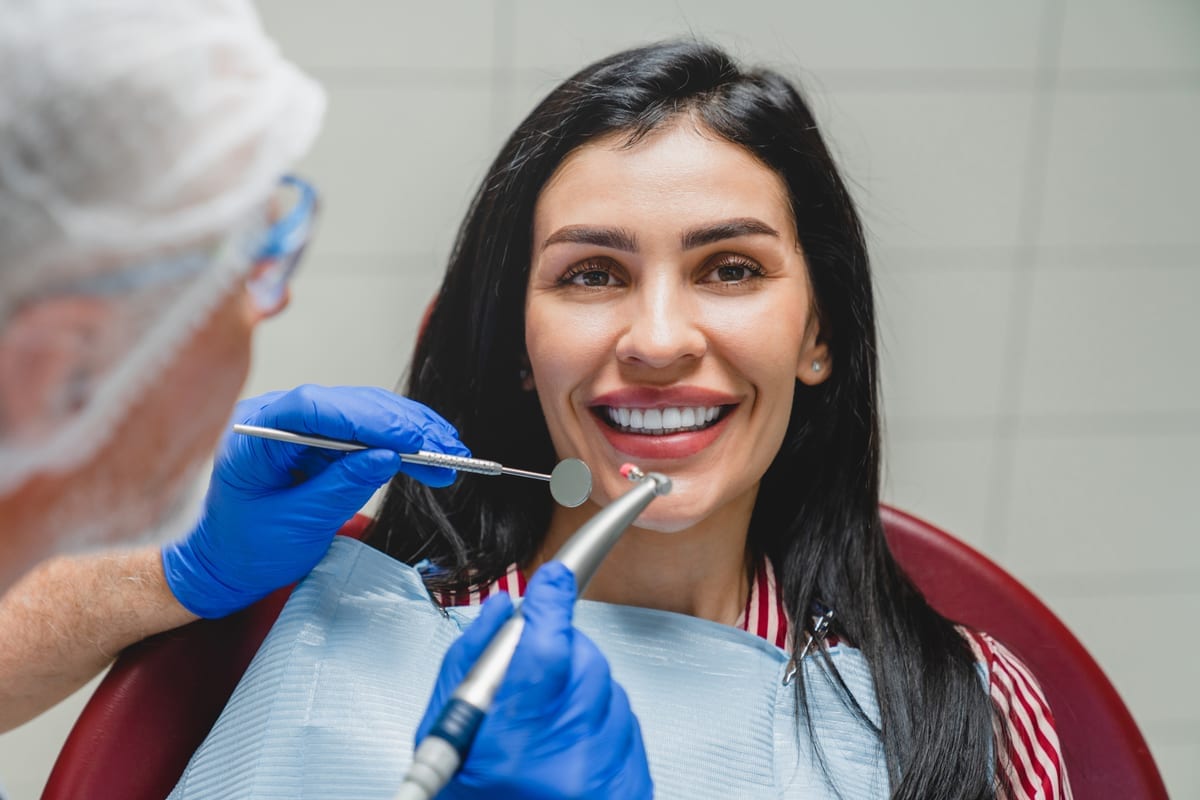
Professional maintenance is just as important as your daily routine. Regular dental visits allow Dr. Aurelie to assess the condition of your bonding before small issues become larger problems. She can polish away surface stains and check the edges for early wear or lifting.
Most bonded patients benefit from professional cleanings every six months. During these visits, the hygienist uses professional-grade tools to clean around the bonding without damaging it. Standard dental cleaning instruments are safe for composite resin when used correctly. Always remind your hygienist that you have bonding so they can adjust their technique.
Sometimes bonding needs minor touch-ups between major replacement cycles. A small chip or rough edge can often be repaired quickly in a single appointment. Catching these issues early prevents further damage and extends the life of your restoration. Ignoring minor damage allows moisture and bacteria to get underneath the bonding.
There are situations where other treatments may be recommended alongside bonding maintenance. If a tooth is severely damaged, Dr. Aurelie may discuss dental crowns or other restorative options. In cases involving missing teeth, she may also refer you to information about Dental Bridges Boca Raton as a long-term solution. And if a damaged tooth cannot be saved, she may recommend Dental Extractions Boca Raton to protect surrounding teeth.
Signs Your Bonding Needs Attention Right Away
Not every issue with bonding can wait until your next scheduled visit. Some signs indicate you should call Just Smile Dentistry sooner. Recognizing these warning signs early can save you from more complex and costly treatment later.
Watch for these signs that your bonding needs prompt attention:
- A visible chip or crack in the bonded area
- A rough or sharp edge that was not there before
- Increased tooth sensitivity to hot, cold, or sweet foods
- Noticeable darkening or staining that does not improve with brushing
- A feeling that your bite has shifted or feels uneven
Any of these symptoms means your bonding may be failing or damaged. Dr. Aurelie can evaluate the issue and recommend the right course of action. Do not try to fix chipped bonding at home with over-the-counter products. These products are not designed for professional dental restorations.
Long-Term Care: Making Your Bonding Last in Boca Raton
Thinking long-term is the most effective approach to dental bonding maintenance. Patients who commit to consistent care consistently get more years from their bonding. It is not about any single habit but about building a routine that supports your entire smile.
Professional polishing during your regular cleanings keeps bonding looking bright and smooth. At-home whitening products should be used with caution around bonded teeth. These products whiten natural enamel but do not change the color of composite resin. This can create a mismatch in color over time.
Talk to Dr. Aurelie before starting any whitening treatment. She can help you choose options that complement rather than contrast your bonding. A customized approach to your smile care always delivers better results than a one-size-fits-all solution.
Just Smile Dentistry is proud to serve the Boca Raton community with personalized, compassionate dental care. Whether you are maintaining existing bonding or exploring new cosmetic options, our team is here to guide you every step of the way. Book Now to schedule your appointment with our team.
Frequently Asked Questions
How long does dental bonding typically last with proper maintenance?
Dental bonding usually lasts between four and eight years with good daily care and regular professional cleanings. Some patients see their bonding last even longer depending on their habits and bite forces. Avoiding hard foods, limiting staining beverages, and attending routine dental visits all help extend the lifespan of bonding.
Can I whiten my teeth if I have dental bonding?
Whitening treatments lighten natural tooth enamel but do not change the shade of composite resin. If you whiten your teeth after getting bonding, your natural teeth may become lighter while the bonding stays the same color. It is best to discuss any whitening plans with Dr. Aurelie before you begin so she can recommend the safest approach for your smile.
Is it normal for dental bonding to chip or stain over time?
Yes, some degree of staining and wear is normal for composite resin bonding over the years. Resin is more porous than porcelain, which makes it more susceptible to pigment absorption. Chipping can occur if you bite into hard foods or experience trauma to the tooth. Routine maintenance visits allow your dentist to catch and address these issues early.
What should I do if my dental bonding chips suddenly?
Call Just Smile Dentistry as soon as possible if your bonding chips or breaks. Avoid eating on that side of your mouth until you are seen. Do not attempt to repair the bonding at home. Dr. Aurelie can often smooth or repair minor chips in a single short appointment, preventing further damage to the underlying tooth.
How is dental bonding different from veneers or crowns in terms of maintenance?
Dental bonding requires similar daily care to veneers and crowns, including gentle brushing and flossing. However, composite resin is softer and more prone to staining than porcelain veneers. Crowns cover the entire tooth and tend to be more durable under heavy biting forces. Bonding is a great cost-effective option for minor repairs, but it may need replacement or upgrading sooner than porcelain restorations.